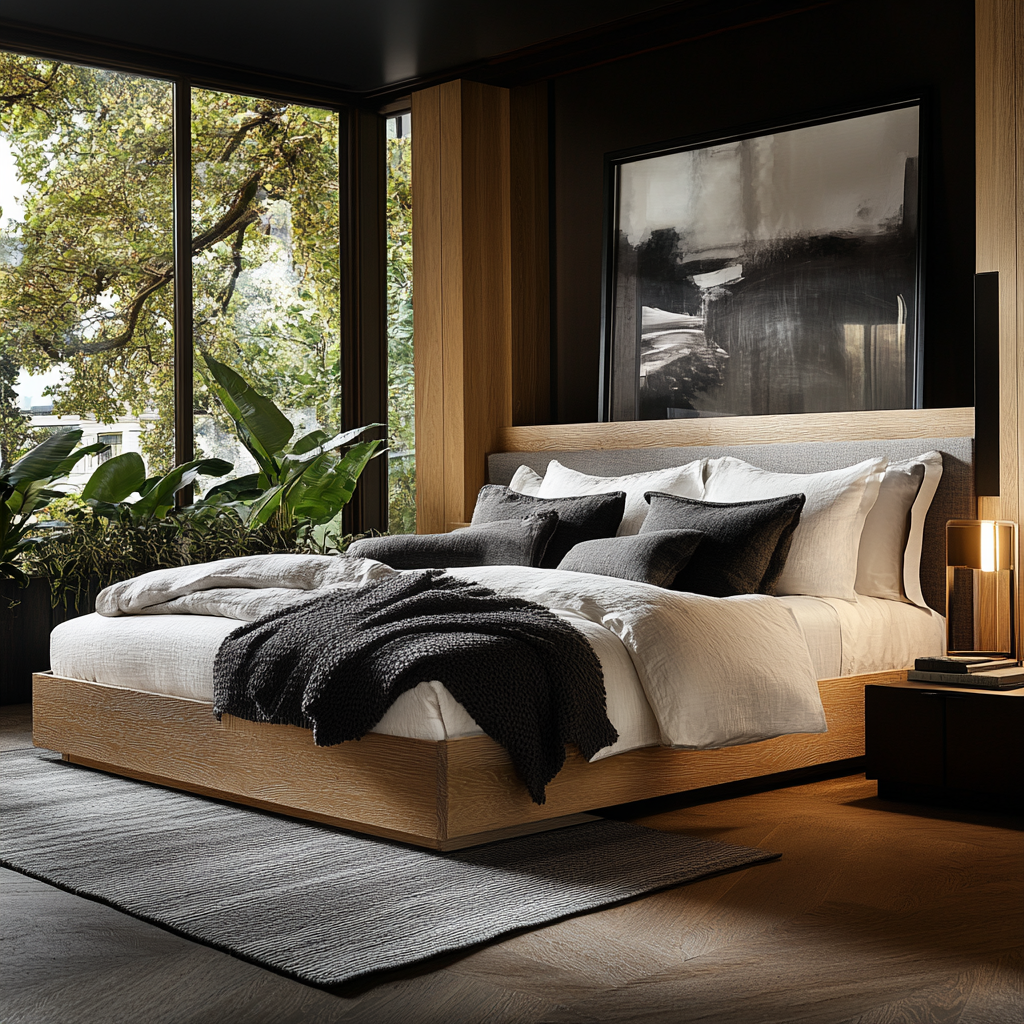


Choosing furniture that will actually last in a real Indian home isn’t just about the design you like on the showroom floor. The wood underneath determines whether that dining table still looks sharp after a few monsoons or starts showing its age. At Dezaro, established in 1987, we’ve spent decades focusing on solid wood furniture that combines proper material selection with skilled handcrafting. This matters whether you’re outfitting your own home or looking for a reliable partner in furniture export and import.
From teak and sheesham to mango wood and oak, understanding different types of wood used in furniture helps buyers choose pieces that balance durability, maintenance, and long-term comfort inside modern homes.
Types of wood for furniture are one of the most searched topics, and for a reason. Let's discuss more.
Hardwood vs Softwood Furniture

Hardwood (broad-leafed deciduous) trees are slow-growing, whereas softwood (conifer) trees grow rapidly.
The names can mislead—some softwoods feel firm—but the real distinction lies in cellular structure. Hardwoods have complex vessel (pore) networks for water transport, resulting in denser fiber arrangement. This density gives better load-bearing strength and wear resistance.
Softwoods rely on simpler tracheids. They weigh less and are generally less expensive but are more susceptible to denting. High-use items such as beds or tables in high-traffic family homes hold up better than regular-grade wood over time.
That’s not marketing—it’s physics meeting daily life.
Teak vs Sheesham Wood: The Practical Showdown
In India, teak and sheesham remain two of the most preferred choices for solid wood furniture.

Why Teak Continues to Stand Out
Teak stands out as one of the best woods for furniture India has to offer. Its natural oils—around 5–7% content—create a hydrophobic barrier that helps protect the wood against moisture and seasonal climate changes.
Examples we can notice include a beach home and a teak dining table. The teak tree has oils in the wood, and the wood's grain connects, giving us stability throughout the entire tree. It doesn’t warp as some woods do, or cup or break.
That kind of built-in protection is why teak handles indoor elegance and even occasional outdoor use with minimal drama.
Interestingly, older teak furniture rarely looks tired. It usually settles into the home more naturally as the years pass.
Explore Dezaro’s handcrafted solid wood dining tables designed for modern homes.
Why Sheesham Remains a Favourite
Indian Rosewood (Sheesham) also has its advantages.
The rich interlocked grain adds visual depth. Sheesham is reddish brown in colour with darker stripes and catches sunlight quite nicely. Grain patterns lend themselves to hand-finishing, allowing artisans to create beautiful natural figures on table tops and cabinet doors.
While sheesham does not have the same oiliness as teak, a properly matured and seasoned piece performs extremely well indoors and remains durable for years.
If you want character without the premium teak pricing, this is often a terrific balance.
Teak generally wins for low-maintenance durability. Sheesham usually wins on warmth, grain character, and handcrafted appeal.
No two sheesham surfaces look exactly alike. And honestly, that uniqueness becomes part of the appeal.
Discover premium wooden console tables crafted with timeless materials and artisan detailing.
Other Popular Wood Types Used in Furniture

Mango Wood
Mango wood comes from fruit trees that are at the end of their producing cycle and provides light tones with intriguing grain variation.
The rustic finish works especially well in relaxed modern interiors while also appealing to buyers interested in environmentally conscious furniture choices.
Browse our collection of living room furniture handcrafted for contemporary homes.
Acacia Wood
Acacia is extremely durable and provides the sturdiness necessary for furniture used heavily in daily family life.
Its grain patterns tend to feel slightly raw and natural, which suits both rustic and modern spaces surprisingly well.
Oak Wood
Oak is more typically imported, but it offers a subtle grain figure that works beautifully in contemporary luxury interiors and lighter palettes.
Comparison of Popular Types of Wood for Furniture
| Wood Type | Durability | Appearance | Maintenance | Best For |
|---|---|---|---|---|
| Teak Wood | Very High | Premium & Elegant | Low | Luxury furniture |
| Sheesham Wood | High | Rich Natural Grain | Medium | Indoor furniture |
| Mango Wood | Medium | Rustic & Contemporary | Medium | Decorative furniture |
| Acacia Wood | High | Strong Natural Texture | Medium | Daily-use furniture |
| Oak Wood | Very High | Modern Luxury Look | Medium | Premium interiors |
Why Seasoning and Construction Matter

In the real world, deep details can impact performance.
The key is seasoning. Good kiln-dried wood will have internal moisture levels down to roughly 8–12%, limiting the chances of unnecessary movement later.
You can usually tell when wood has been rushed through production. Furniture may look polished initially, but tiny gaps, instability, or movement often start showing up surprisingly quickly.
At Dezaro, we focus on classic joinery techniques such as mortise-and-tenon or dovetails. These mechanical interlocks distribute tension through the wood itself rather than depending only on screws or glue—a key consideration as humidity causes natural expansion and contraction over time.
Finish choice counts too.
Wood treated with oils allows breathing space and develops a richer patina over time. Lacquer coatings create a smoother protective barrier but may not offer the same tactile feel as oil finishes.
Neither is universally better. It depends on how the furniture will actually be used.
What Smart Buyers Actually Check
Look for solid construction over veneers if longevity is the goal.
Lift a piece—it should feel substantial.
Ask about sourcing and seasoning processes.
In humid regions, teak’s moisture-repelling properties give clear advantages. For indoor statement furniture with richer grain character, Sheesham often delivers the right balance.
People who have bought furniture more than once usually stop focusing only on appearance. They begin paying attention to how the piece is actually built.
A well-made furniture piece usually reveals itself fairly quickly. It feels heavier, quieter, and more balanced.
Interestingly, you can often sense the difference simply by opening a drawer or shifting the furniture slightly by hand.
Why Solid Wood Furniture Continues to Matter
A lot of modern furniture today is designed around speed and volume. Solid wood furniture behaves differently. It ages differently, too.
Small marks blend into the grain instead of making the piece feel damaged. Surfaces slowly develop texture over time. Furniture settles into the home rather than feeling temporary.
That’s usually why solid wood furniture stays with families longer.
Not because it remains perfectly untouched, but because it continues looking better as it becomes part of everyday life.
And honestly, that’s difficult to replicate with heavily processed materials.
Frequently Asked Questions
Which wood is best for furniture in India?
Teak and sheesham are widely considered among the best woods for furniture in India because of their durability and long-term performance.
Is teak better than sheesham wood?
Teak generally offers better moisture resistance, while sheesham is preferred for its rich grain and handcrafted character.
What is the strongest wood for furniture?
Hardwoods such as teak, oak, sheesham, and acacia are among the strongest woods commonly used in furniture manufacturing.
Why is solid wood furniture preferred?
Solid wood furniture lasts longer, feels sturdier, and develops more natural character over time compared to engineered alternatives.